
Running a hospitality business on Flinders can be challenging. What makes it possible is community, collaboration, and genuine commitment, and it all comes together at my table.
Hospitality on a remote island
What works on Flinders Island tends to be small and special. The businesses that last here are the ones that learned its rhythms, work within its limits, and let it shapes them in return. There is a saying here “Don’t try to change this place, but let this place change you”. Cate Cooks at Home was born from that philosophy.
“I was thinking about this community and the proposed roadside produce regulations… Dropping in to you today wasn’t just about collecting some of your greens, it was also about a cup of tea, conversation, and company. It was the same when Jane dropped in some mint — a chat as well as provisions. That stuff is golden and the heart of community.”
— Cate
There is something you should know…
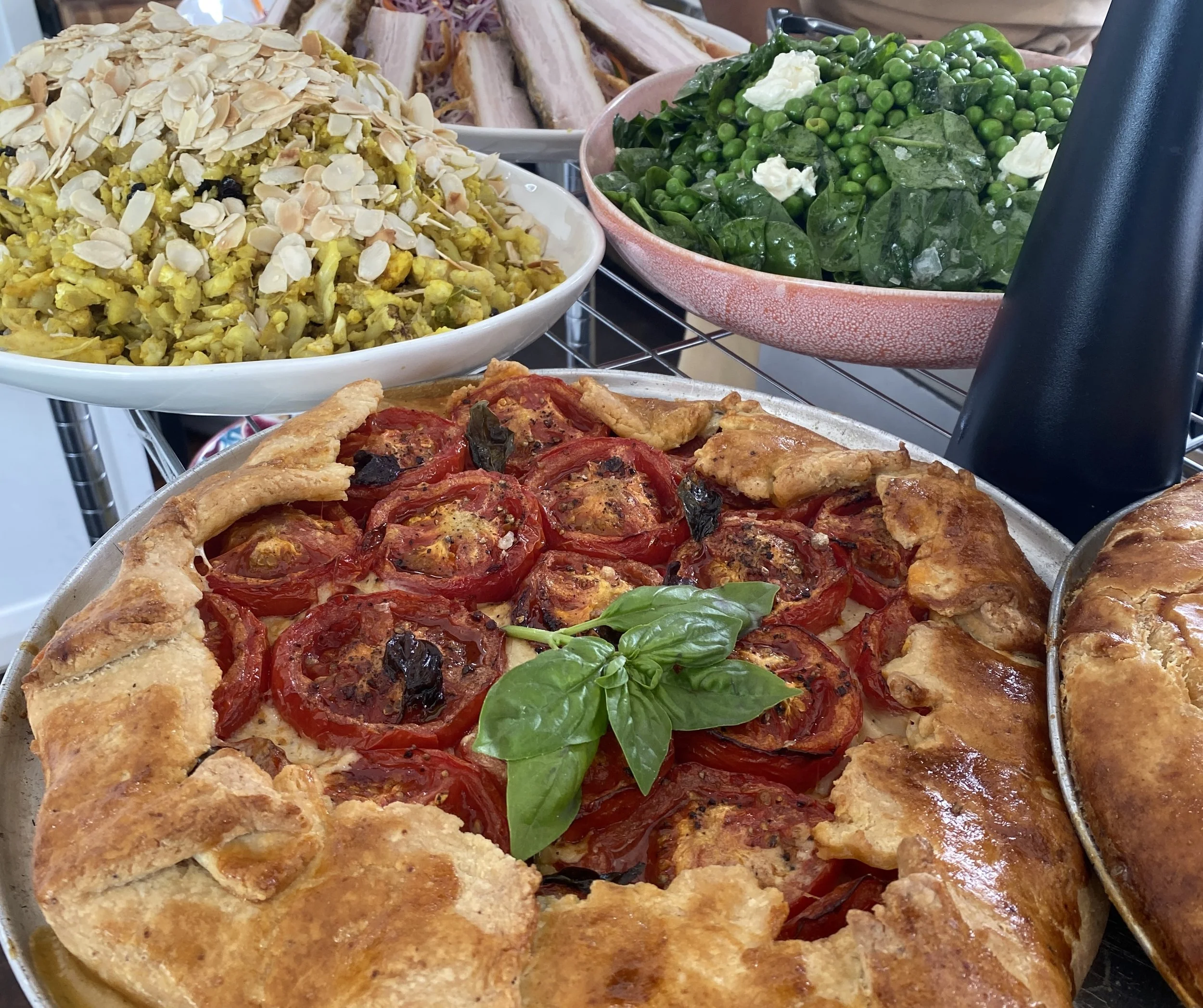
Getting ingredients to Flinders Island takes planning, patience, and sometimes, a little creative problem-solving. The barge doesn't always arrive when scheduled. The butter goes missing or the tomatoes arrive late in the season. Freight adds roughly fifty percent to the cost of everything, which is why cooking seasonally here isn't just nice to do, sourcing local produce makes business sense. Energy costs are high and supply chains are fickle. What makes it work is a community of gardeners, fishers, and producers who share what they have and show up for one another. When you sit at my table, all of that is already in the food.
How to arrive and be a good guest
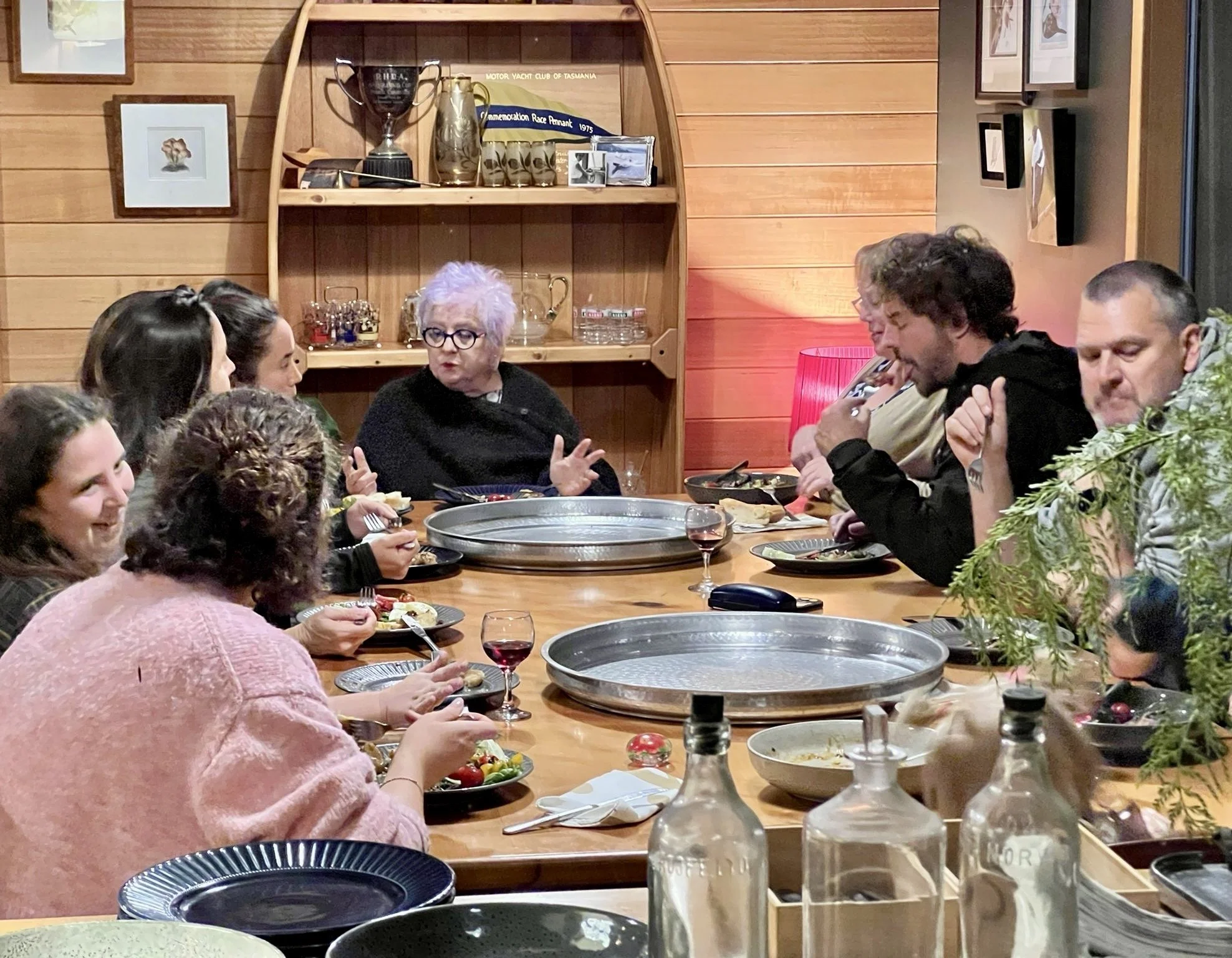
Give as much notice as you can. Dietary requirements can almost always be accommodated — the further in advance, the better. Requests made close to the date depend entirely on what the island has available that week, so plan ahead.
Come with an open mind. The menu is written on the day, not because there hasn't been planning, but because that's how seasonal cooking actually works. Come with flexibility, come with curiosity, and take a moment to consider what it has taken to get everything to your plate.
Give me all the info when you enquire. Tell me who you are, what you're celebrating, and what your group is like. The more I know, the better I can cook for you. If someone at the table has a complicated relationship with food, let me know early. I'm trying to cook the right meal for the right people.
Trust the process. I've been cooking for a long time. If something isn't what you expected, say so. I'd far rather know at the time - good food experiences are collaborative.
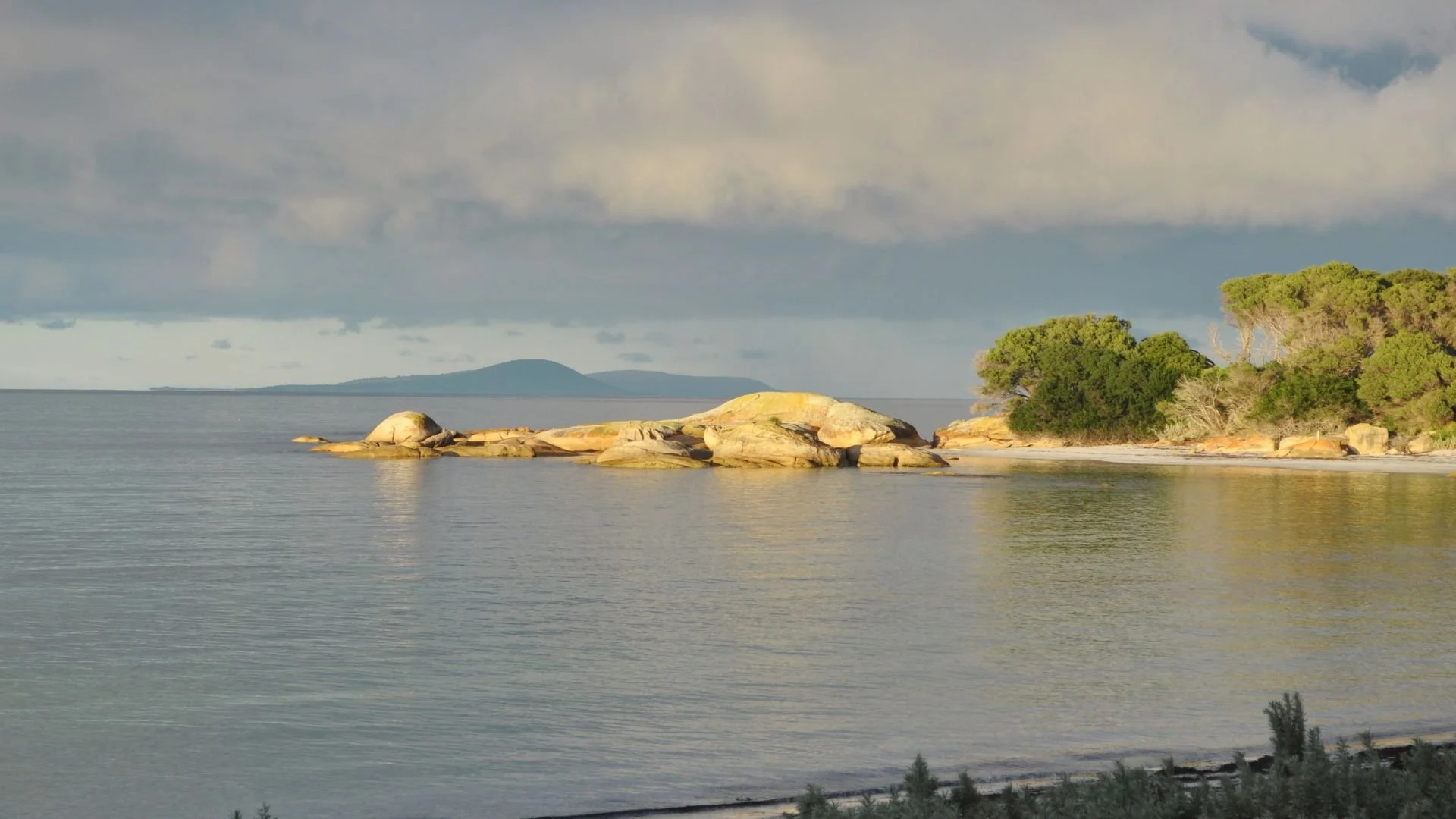
Take photos, but always ask first. The light at the West End, the conversation, and the food are magic. You can take photos, but always ask first.
Bring your curiosity. Ask where the fish came from, what's growing in the garden, or why I cook something a particular way, the stories are part of the meal.
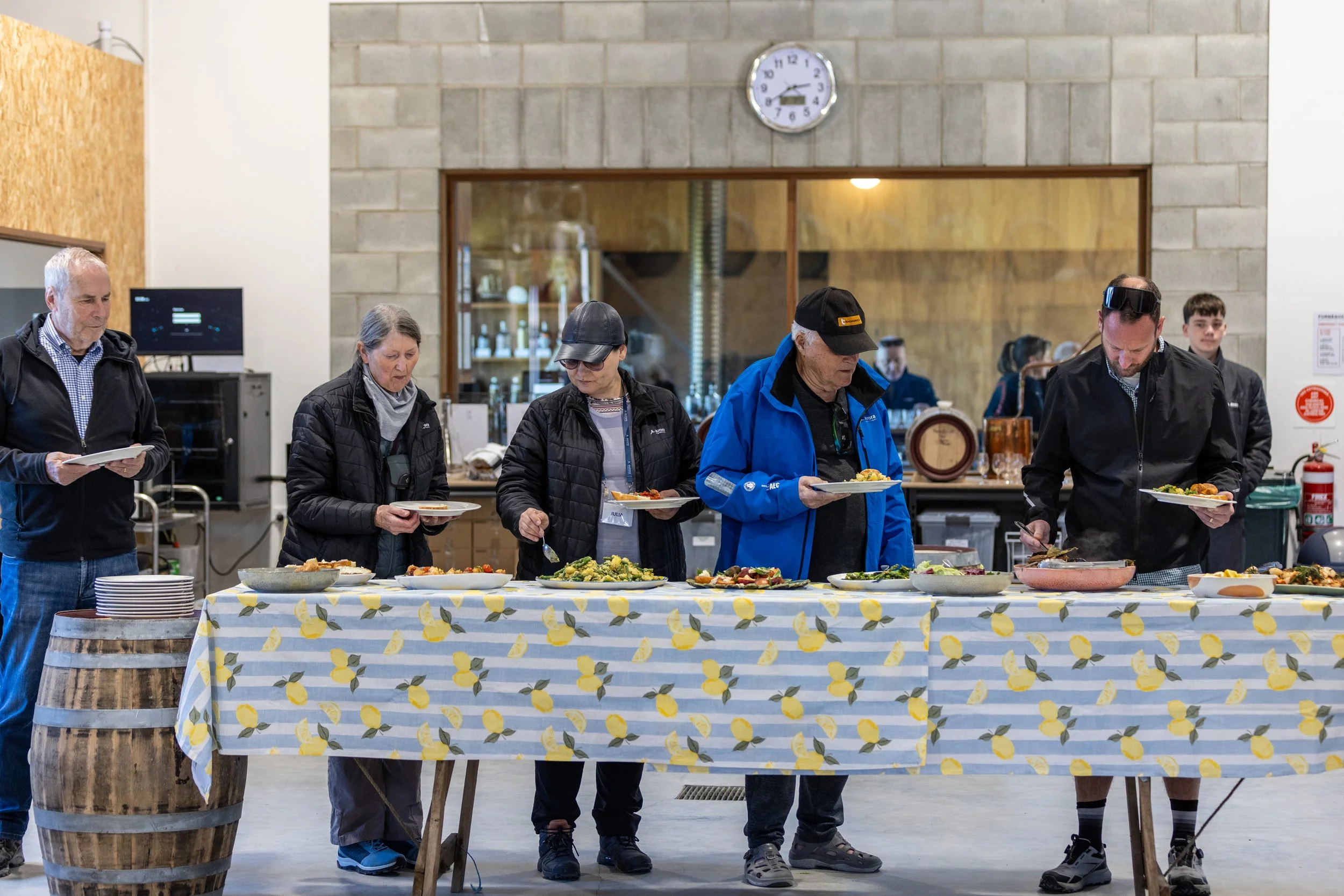
Stronger Together
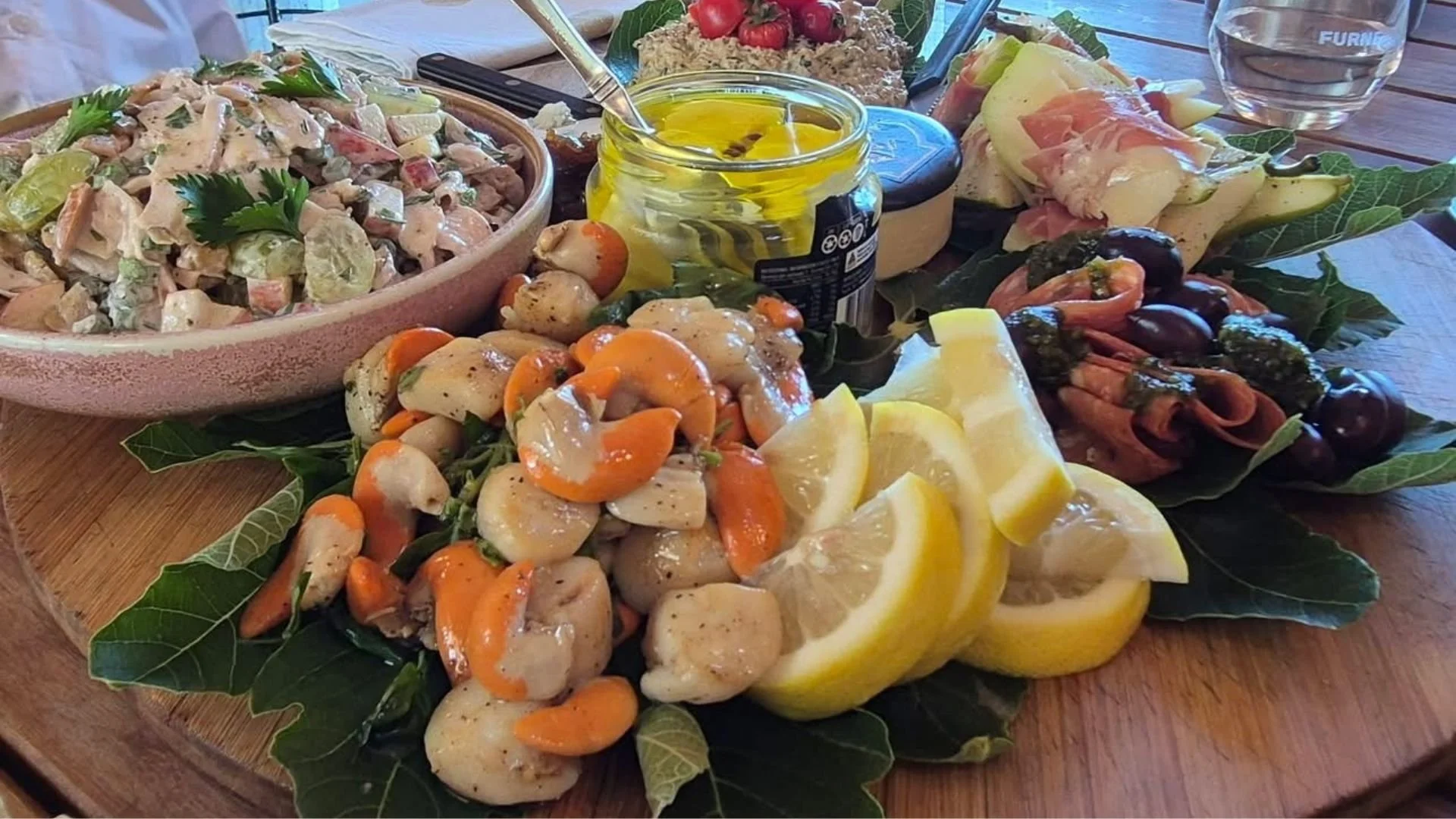
On a small island, you can't outsource community. You show up, you contribute, and trust builds. The Furneaux Collective is doing something I believe in: helping businesses to honour this place through collective action. For me, regeneration isn't a word I've layered onto what I do, it's already in the way I cook, seasonally and carefully, with nothing wasted.
On an island this size, community and business are the same thing. When everyone around me flourishes, so do I, and we all share that abundance.
Below are some of the people, businesses and community organisations that make thriving together possible on this beautiful island.